
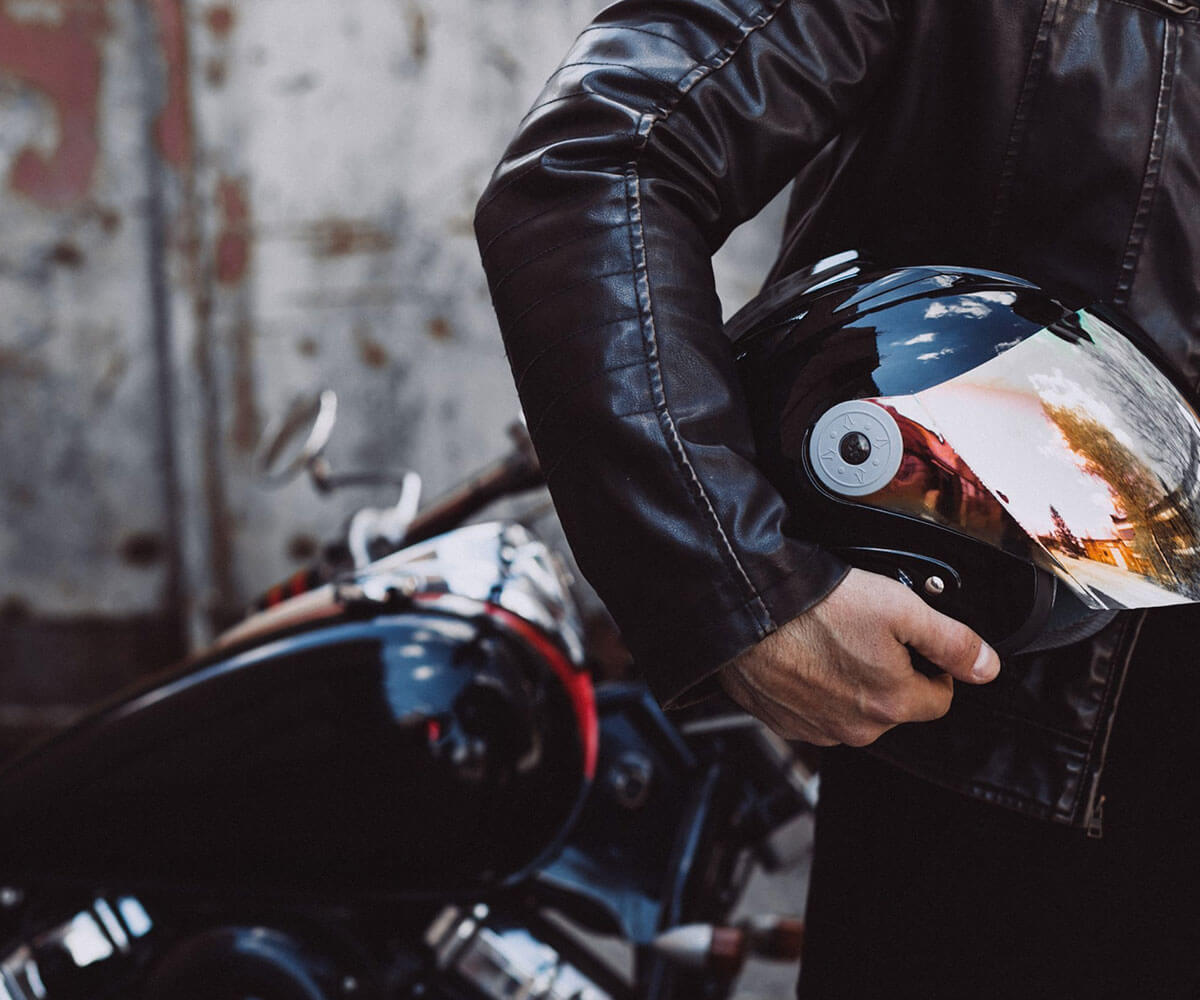
START WITH SAFETY FIRST
First, you need to always keep the basics of riding safety in mind:
- Wearing the right gear.
- Always looking ahead.
- Maintaining a safe distance.
- Doing a safety inspection of your motorcycle before you start your ride to make sure your lights, brakes, mirrors, and signals are in working order.
ANIMAL ENCOUNTERS
Riding the in Pacific Northwest allows you to experience wilderness that includes a wide variety of differing sceneries and conditions. There is nothing like feeling the wind while riding up and down mountain roads, cruising along the Pacific Ocean shoreline, or passing through the scenic Columbia River Gorge. All of this surrounding beauty includes the wildlife that lives there, and we need to keep in mind that we are simply visitors in their territory.
Riding in the early morning dawn or late evening dusk is when most animal encounters occur. Being aware of the time of day that you are riding, and understanding the increased risk of running into wildlife during these times, is a good start to staying safe while riding.
Some specific terrains have a higher potential for you to run into wildlife while you are riding. Here are a few things that can provide clues that an animal encounter could occur:
Animals typically run in packs. If you see roadkill on the side of the road, keep an eye out. Deer, elk, and other large animals tend to follow “game trails” that they use to get food, water, and find areas of shelter. This is a good time to slow down, and watch for these animals to cross the road.
It is important to pay attention when you see yellow “animal crossing” warning signs posted along the road. These signs are placed by local departments of transportation to warn motorists of well known “game trails” nearby. Take extra precaution when riding in one of these marked areas.
Wildlife gravitates towards water sources. If you are riding near a river, lake, or stream, use extreme caution during the hours of dusk and dawn.
HANDLING AN ANIMAL ENOUNTER
Different terrain, different weather, different animals. Here is a list of some common wildlife you may encounter while riding in the Pacific Northwest and how to handle them.
Deer
This is probably the most common animal you will encounter in the Pacific Northwest. They are large animals and at times it feels as if they appear from nowhere. Deer tend to stand still and stare at your headlight when they notice you, making them a serious road hazard. If you find yourself face to face with a deer “caught in your headlight,” carefully slow down and stop. They will run in the direction they are facing (meaning your headlight and you) so if you try to pass them, they may lunge towards you. Remember that deer run in groups, so if you see one, chances are high that there are others nearby that could pose more risks. It is a good idea to slow down and ride near the center of the road when you are in “deer crossing” warning areas to help prevent an accident if one suddenly leaps out of hiding and onto the road, or comes close to side-swiping you. Be careful if you consider using your horn to get them to move. Only attempt this if they are facing away from you, never when they are staring your way.
Wolves
Dogs
Squirrels AND RABBITS
These and other rodents are more common than any other animal in the area. The danger they present to a motorcyclist is with the rider swerving to miss them rather than the damage that would happen hitting one. The advice that most motorcycle safety instructors give to handle one of these situations is unfortunately, to “ride through” them. It is better to take them as a “speed bump” than swerve off the road.
BEARS
Bees
Bees are everywhere in the wild no matter if you are riding on the west coast, east coast, north or south. These stinging insects are an important part of our ecosystem, but do cause many motorcycle accidents when they are encountered. Running into a swarm of bees while riding can be a scary experience. The first instinct that most riders have is to swerve around the road or start swatting them off their gear while still in motion. It goes without saying that getting stung by bees is painful, but to safely survive an encounter one of these events, the first thing to do is “stay calm.” After gaining control of your senses, slow down, pull off the road, and slowly remove your gear. Make sure that no bees are in your helmet, jacket, gloves, or other gear that you are wearing before continuing your ride.