Riding Tips for Motorcycling in the Pacific Northwest
Most of the year, riding in the Pacific Northwest can be a challenge. The winters are typically wet, cold, and the sun sets early in the late afternoon and evenings. The majority of motorcycle riders tend to garage their machines until the warmer weather of summer arrives, but there are those that just accept the fact that all seasons provide an opportunity to get a good ride in. Some use their motorcycles year round as the only mode of transportation and use it to commute back and forth to work everyday.
With this in mind, it is important to wear the appropriate gear for the season to stay safe, be dry and warm in the colder seasons, and stay cool in the heat of summer.
Keep your eye on the weather and road conditions
The winter months bring ice and snow in the mountain regions where at times the roads are not safe to ride for any reason. The main highways and interstates that wind through these areas are usually maintained well and cleared soon after typical storms pass through. If you are planning to ride through the mountain passes during the winter season, it is extremely important to keep a close watch on the weather forecast and current road conditions for the area you are heading to. Also remember that while riding, the windchill effect in the cold can make your bones ache if you aren’t wearing winter ready gear.
It does rain a lot in the Pacific Northwest, it even happens in the summer months, though not as much as in the winter, spring, and fall. If you find that heavy rain is in the forecast you are best to rethink your riding plans. Heavy downpours can cause standing water to flood parts of the road, leading to serious hydroplaning issues when riding.
If you do find yourself in a colder, wet riding situation it is important to keep the basic motorcycle riding safety tips in mind:
- Always look way ahead and be prepared to react to any potential issue.
- Take it slow and easy, especially when taking curves and corners.
- Watch closely for road debris, especially gravel or wet leaves on the roadway.
BE VISIBLE, AND MAINTAIN VISIBILITY
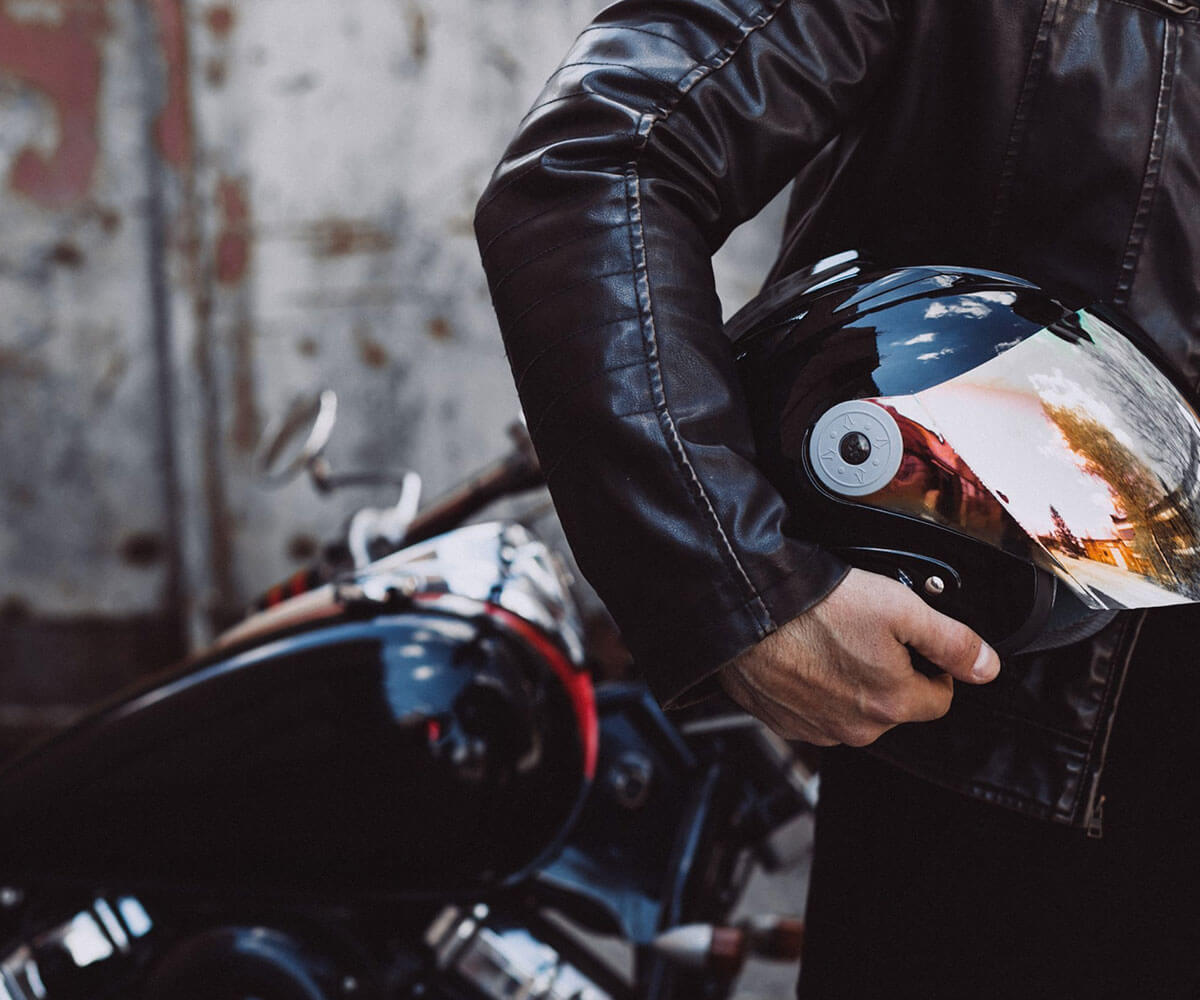
The air in the Pacific Northwest typically has a lot of humidity year-round. This can cause fog to form along the coast and in the mountain areas, even in the summer months. Knowing this, you need to make sure that you keep your helmet visor, glasses, and sunglasses clean. It can be helpful to have some anti-fog wipes handy to treat your visor and prevent it from fogging up.
Be sure to wear reflective, high-visibility riding gear during any ride in the mountains or along the Pacific coast. Also be certain that all of the lights on your motorcycle are in good working order before setting out for your ride.
WEAR APPROPRIATE GEAR
In the wet months, you need to wear gear designed to keep you warm and dry. Wearing the wrong gear can get you into trouble, especially in the winter, as hypothermic conditions can come on quickly. Cold, numb fingers, arms, and feet will reduce your dexterity and slow your ability to react to road conditions.
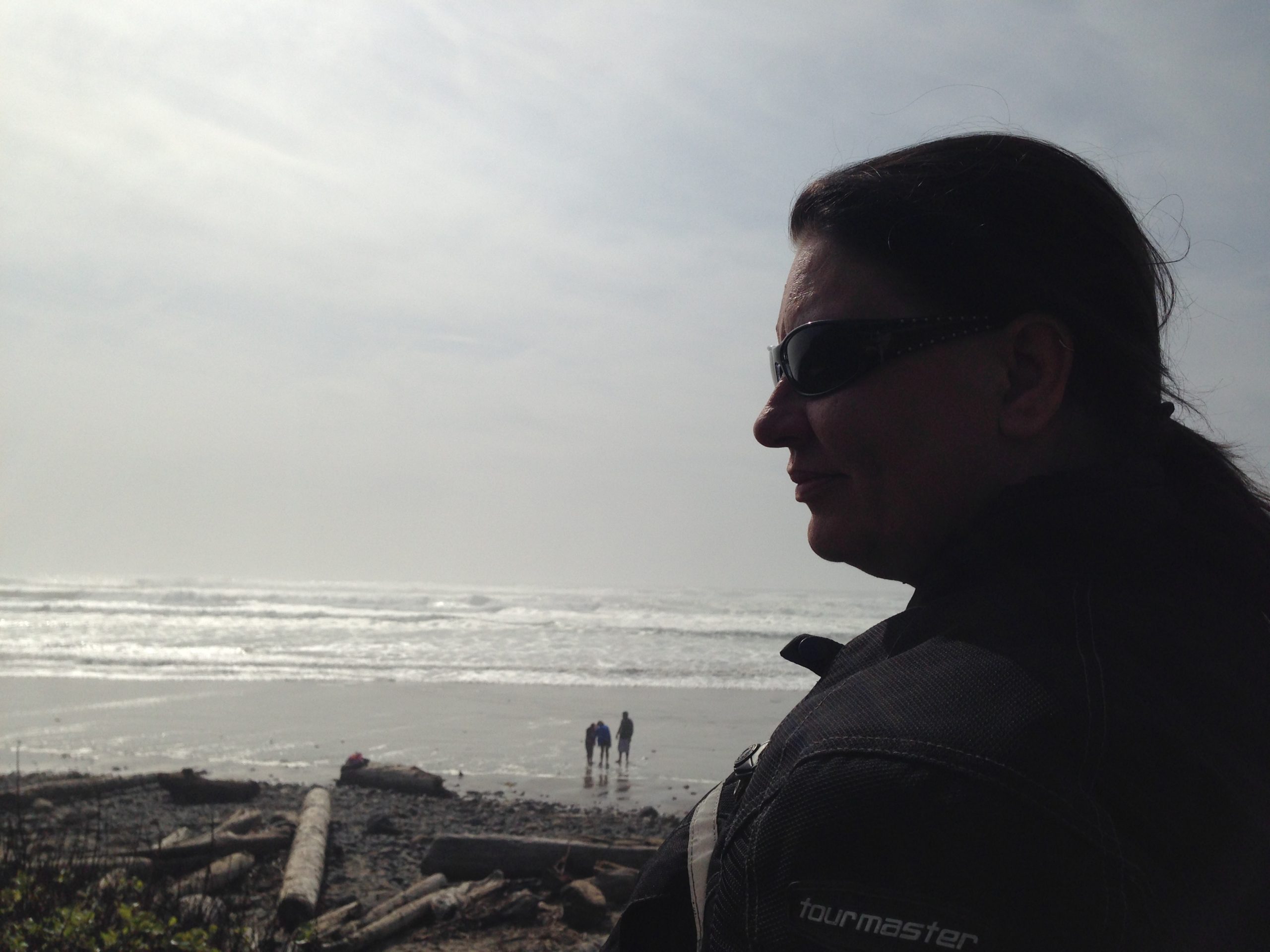
To safely navigate through differing weather conditions, it is best to think about layering your riding gear. By layering, you can adjust your comfort by adding or removing layers as needed. First, starting with your base layer (on your skin), you will want natural fibers, such as wool in the winter, and cotton in the warmer seasons. Next, you will want an insulation layer, such as down, or a thick synthetic material. Lastly, your outer layer should consist of water and wind protection materials provided by typical, standard riding gear manufacturers (Tourmaster, etc.).
Protecting your hands and feet are critical to safety as well. Be sure to always were appropriate gloves and boots for the season you are riding in. It can be helpful in the cold season to add a balaclava or other additional face coverings to help maintain your heat and comfort while riding.